More than a feeding regimen.
Real-life nutrition support.
Because tube feeding isn’t just about numbers, formulas and schedules. It’s about people, routines, preferences, families and making nutrition work in everyday life.
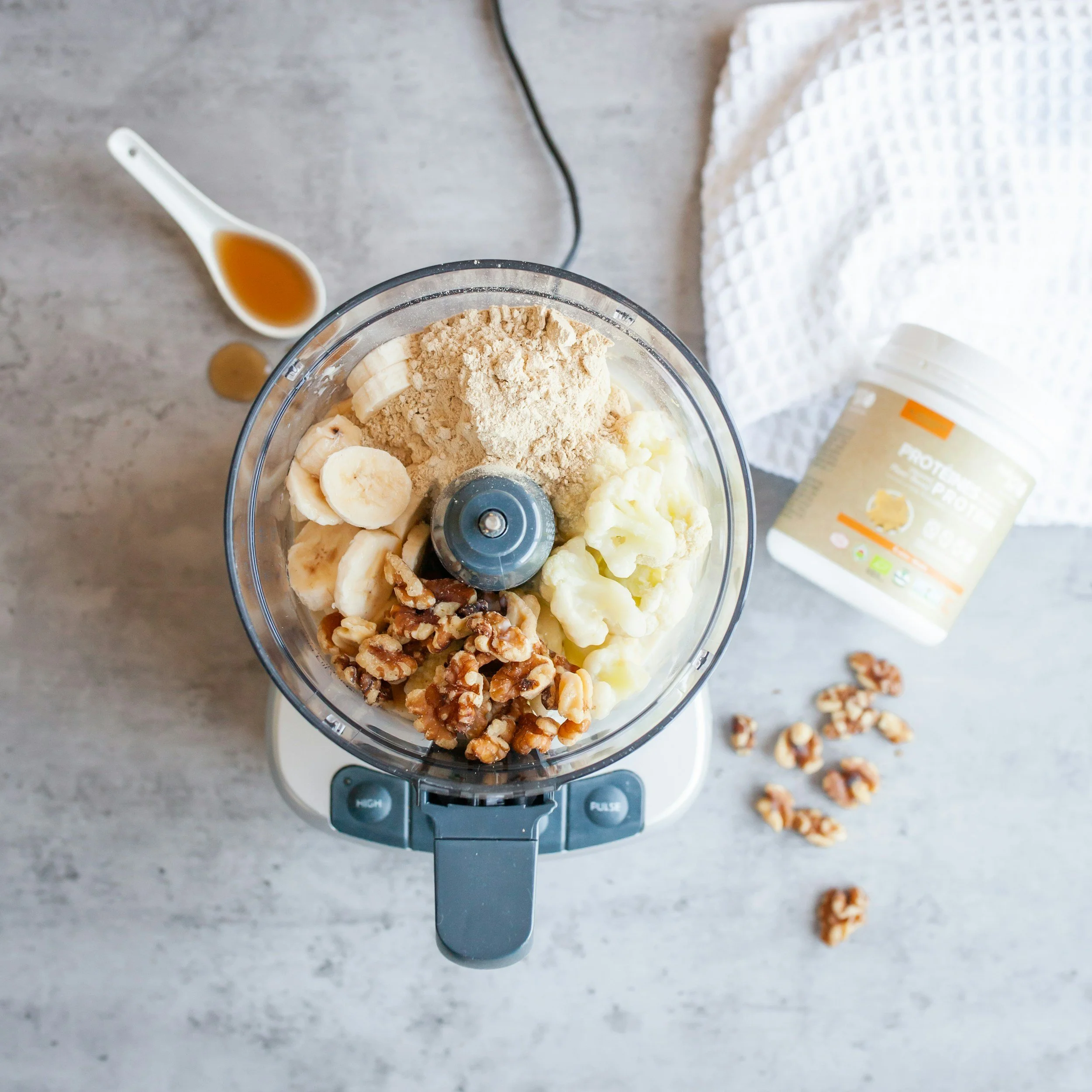
Tube feeding, made a little less complicated.
I’ve worked across hospital, community and disability settings, including almost five years supporting NDIS participants with gastrostomies, enteral feeding and complex nutrition needs.
Whether you’ve just started tube feeding, have been using a tube for years, or things have stopped working as well as they used to, we can take a step back and look at the whole picture.
I can help with:
Setting up a new tube feeding regimen
Reviewing an existing feeding regimen when needs, routines or circumstances change
Choosing and adjusting formulas and nutritional products
Working out fluid and hydration needs
Bolus, continuous or combination feeding
Troubleshooting feeding tolerance and practical feeding issues
Supporting oral intake alongside tube feeding
Blended and blenderised tube feeding
Transitioning between different feeding approaches
Supporting nutrition during the transition from hospital back home
Practical nutrition plans and instructions for families, carers and support workers
Individualised training for carers and support teams
Helping families and teams work through the practicalities of blenderised tube feeding
Supporting participation in everyday life, including eating and drinking socially where appropriate
Working with your broader healthcare and support team
NDIS & complex support
For NDIS participants, my role can go beyond the feeding regimen itself.
I can help translate nutrition needs into clear, practical recommendations that can actually be implemented at home, and provide the documentation needed to support this.
This can include:
Detailed NDIA reports and supporting letters
Documentation supporting nutrition-related consumables and equipment, including quotes where appropriate
Nutrition recommendations linked to the participant’s individual needs and goals
Practical feeding instructions for carers and support workers
Individualised carer education
Collaboration with Support Coordinators, families, nurses and other members of the care team
Reviewing whether current nutrition supports are still meeting the participant’s needs
Supporting changes to feeding arrangements when circumstances change
Helping keep dietetic service agreements current and active
Supporting participants through transitions between hospital, home and other care settings
I see self-managed and plan-managed NDIS participants, with telehealth and home visits available in Victoria where appropriate.
Gastrostomy support
As a Gastrostomy Credentialed Dietitian, I provide nutrition advice, education and practical recommendations around gastrostomy feeding and stoma-related nutrition considerations within my scope.
My hospital role also includes an advanced scope of practice in gastrostomy care, including tube removal and exchange and stomal recommendations.
I don’t perform tube changes in participants’ homes. If a tube needs to be reviewed or changed, I can help participants, families and support teams understand what needs to happen and support them to access the appropriate hospital or medical service.
It’s about more than the tube….
A feeding tube can make nutrition possible, but it can also affect routines, independence, family life and how someone takes part in everyday things.
My goal isn’t simply to create a feeding plan and send you on your way. It’s to work out what will actually work for you, involve the people who need to be involved, and make the plan as practical and manageable as possible.
Whether you’re new to tube feeding, have been doing it for years, or something just isn’t working anymore, we can work through it together.
Frequently Asked Questions
Still have questions? Get in touch below:
-
I support adults who receive nutrition, fluids or medications through a feeding tube, whether the tube provides all of their nutrition or is used alongside eating and drinking by mouth.
This includes people with:
Nasogastric (NG) tubes
Nasojejunal (NJ) tubes
Gastrostomy (G) tubes
PEG tubes
Low-profile gastrostomy buttons, including MIC-KEY and similar devices
Gastrojejunostomy (GJ) tubes
Jejunostomy (J) tubes
PEG-J tubes
Other enteral feeding devices, where dietetic support is appropriate
I can help with feeding regimens, formula selection, nutrition and hydration requirements, oral intake alongside tube feeding, blenderised feeding, troubleshooting nutrition-related issues, and practical routines around tube feeding.
I also work with families, carers, support workers and other members of the healthcare team to make tube feeding more manageable in everyday life.
If you're not sure what type of tube you have or whether I can help, get in touch and we can work it out.
-
Yes. If your tube feeds aren't going smoothly, we can work through what's happening and look at whether changes to your nutrition or feeding regimen could help.
This might include things like:
nausea, bloating or reflux
constipation or diarrhoea
feeling overly full or uncomfortable during feeds
difficulty tolerating your current formula
problems with feeding volumes or timing
concerns about hydration
difficulty fitting feeds around sleep, work, appointments or daily life
changes in your nutritional needs
difficulty balancing tube feeding with eating and drinking by mouth
wanting to explore a different feeding method or regimen.
Sometimes a relatively small change to the formula, volume, rate, timing or hydration plan can make a meaningful difference. Other times, symptoms may need assessment by your GP, gastroenterologist, nurse or other treating professional.
If the problem is with the tube itself, for example, it has fallen out, is blocked, leaking, damaged, causing significant pain or there is bleeding around the stoma, you may need prompt medical or nursing assessment. These issues aren't something to wait for a routine dietetic appointment to address.
If you're unsure what's going on, you can contact me and we can work out whether dietetic support is appropriate or whether you need to be directed to another service.
-
Yes. I support people who are interested in blenderised (real food) tube feeding, including people who are already using blended foods and those considering whether it could be an appropriate option for them.
We can look at things such as:
whether blenderised feeding is suitable for your individual circumstances
meeting your nutrition and hydration requirements
recipes and food combinations
making sure the diet provides adequate energy, protein, vitamins and minerals
food preparation, hygiene and safe storage
blending consistency and tube compatibility
feeding volumes, timing and practical routines
balancing blenderised feeds with commercial formula
how to make feeding work around everyday life, carers and support needs.
Blenderised feeding isn't suitable for every person or every tube, and there can be important considerations around tube type, tube size, medical needs, food safety and nutritional adequacy. I'll work with you to develop an approach that is safe, nutritionally adequate and realistic for your circumstances.
You don't have to choose between “all formula” and “all real food” either, a combination of commercial formula and blenderised food can be an option for some people.
-
If you're considering a feeding tube, it's completely understandable to have questions about what it involves and whether it might be right for you.
I don't insert feeding tubes, as tube placement is a medical procedure performed by the appropriate medical team. My role is to support you with the nutrition and feeding side of things, both when you're considering tube feeding and once a tube has been placed.
I can help you understand what tube feeding may look like day to day, discuss your nutrition and hydration needs, explore different feeding options, and work with you to develop a feeding approach that fits your life.
If a feeding tube has been recommended, I can also work alongside your medical team to support you before and after placement.
-
I have advanced experience in gastrostomy management and, in the hospital setting, have worked with tube removal and exchange, including balloon-retained gastrostomy tubes.
However, Nutrition Support Australia is a dietetic service rather than a tube-change service. Tube changes and replacements can involve procedural risks and may require specific equipment, clinical support, medical oversight and an appropriate clinical environment.
For this reason, I don't routinely perform tube changes or replacements through private dietetic appointments.
What I can do is help with the nutrition and feeding side of things, identify when a tube issue needs further assessment, and work with your GP, gastroenterology team, specialist nurse or hospital service where appropriate.
If you're unsure whether your tube needs changing, or you're having problems with it, you're welcome to contact me first and I can help point you in the right direction.
-
For a private appointment, you don't need a referral. You can contact Nutrition Support Australia directly to book.
If you're accessing my service through Medicare, you'll need an eligible referral or care plan to receive a Medicare rebate.
For NDIS participants, I can work with self-managed and plan-managed participants. The appropriate service agreement and funding arrangements will be confirmed before your first appointment.
If you're a GP, healthcare professional, support coordinator, family member or carer, you can also make a referral on someone's behalf.
Ready to get started? Use the referral button below.